
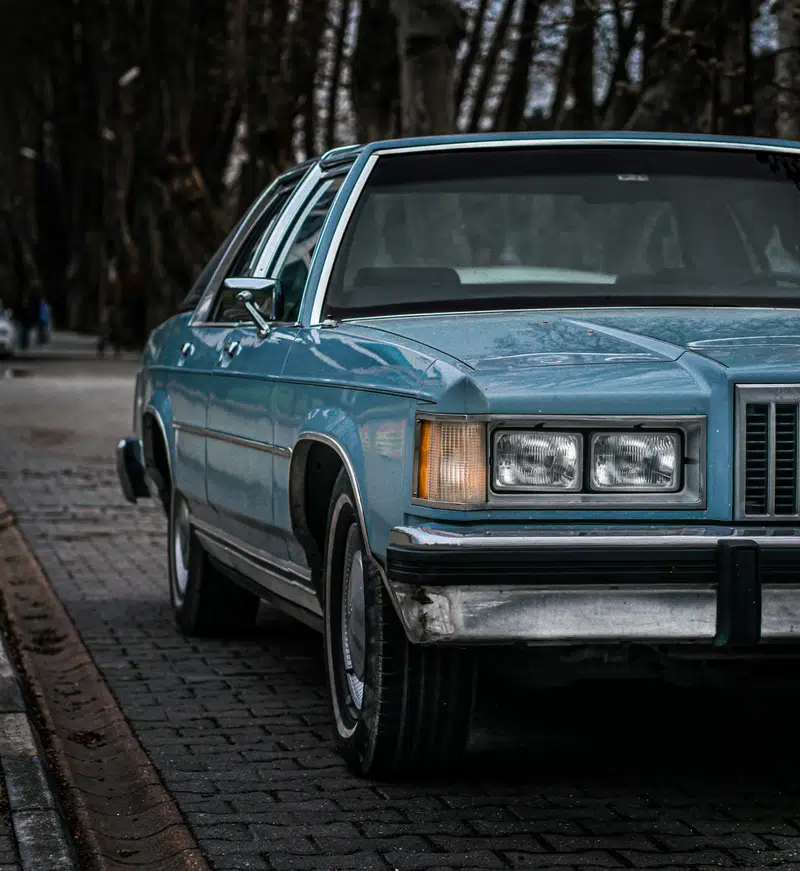
1970s Italian Classic Cars: How to Research Value Before You Buy or Sell
1970s Italian Classic Cars: How to Research Value Before You Buy or Sell
Why 1970s Italian Classic Cars Still Demand Careful Research
It is easy to look at a 1970s Italian classic car and assume the hard part is identifying the badge. It usually is not. The difficult part is deciding what, precisely, is being offered: an original car, a restored car, a partly reconstructed car, or a car with an appealing story that has not yet been supported by records.
Five Italian cars from the 1970s may hold significant appeal among collectors today, and some may be worth a fortune. That statement is useful only as a starting point. Italian classic cars are not interchangeable objects. Rarity, condition, production history, design, and provenance can all influence the value of a classic automobile. A car may be visually striking and still be difficult to assess if its history is incomplete.
The trap is treating collector interest as a shortcut to a conclusion. Collector interest tells you where to investigate. It does not replace the investigation. Whether you are comparing 1970s cars for a first purchase or reviewing a long-held vehicle, the same questions apply: Is the car authentic? Is its condition clear? Is its production history understood? Can its ownership and maintenance story be followed without large gaps?
Design creates attention, but evidence supports value
Italian design is a major reason many classic cars remain compelling to collectors. Visual appeal can create demand, and demand matters. But design alone does not settle a classic car valuation. The closer a buyer looks, the more the discussion moves from appearance to documentation, originality, and the quality of past work.
A model name is not the whole car
Two examples of the same model can present very different research problems. One may have clear records, period-authentic components, and a coherent ownership story. Another may have uncertain history or changes that are hard to explain. The badge may be identical. The decision is not.
Five Areas That Shape a Classic Car Value
A useful valuation process separates the factors that are often blended together in an advertisement. Doing so does not make the answer effortless. It makes the unknowns visible before money changes hands.
- Rarity. A vehicle's rarity can affect collector attention, but rarity must be considered alongside the rest of its record. A rare car with unresolved questions is not automatically easier to value than a better-documented example.
- Condition. Condition influences both enjoyment and value. The relevant issue is not merely whether a car looks finished. It is whether its present state can be understood clearly, including the work that produced it.
- Production history. Knowing where a car fits within its production history gives context to any assessment. It helps distinguish a broad claim from a specific vehicle's place in the story.
- Design. Distinctive Italian styling contributes to lasting collector appeal. It is part of why people seek Italian classic cars, even when the ownership work is considerable.
- Provenance. Provenance is the record that connects the vehicle to its past. Incomplete provenance can significantly reduce resale value because uncertainty transfers from the seller to the next owner.
Condition means more than paint and upholstery
A polished exterior can obscure the questions that matter to a careful owner. What parts are period-authentic? Which repairs were performed, and when? Who performed restoration work? What documentation exists for maintenance? These questions are not a criticism of a car. They are the structure of a defensible assessment.
Provenance is a practical ownership record
Documentation can include ownership records, service material, restoration information, and other records that help establish a continuous history. The goal is not to create a perfect story where none exists. The goal is to describe the actual story accurately. A missing record is not automatically disqualifying, but it should remain a missing record in the valuation discussion.
How to Research a 1970s Italian Car Before Purchase
Searching classic cars for sale can create a false sense that the work begins after you find the right listing. The work begins before you decide that a listing is worth pursuing. This is particularly true for buyers entering a market where specialist knowledge, rare parts, and restoration choices can be difficult to evaluate.
Build a record before forming an opinion
Start by assembling the information available for the individual car: identification details, ownership history where available, service records, restoration records, photographs, and any account of its production history. Separate confirmed details from statements that need further support. That distinction prevents an attractive description from becoming an assumed fact.
Use specialist sources as comparison points
Collectors can consult auction catalogues, price guides, specialist publications, clubs, and marque communities when researching a vehicle. RM Sotheby's, Gooding Christie's, Bonhams, Hemmings Motor News, MotorTrend, Hagerty, and Sports Car Market are names a researcher may encounter while building a broader picture of collector cars and market discussion. Their presence is not a substitute for examining the specific car under consideration.
For marque-focused questions, communities and specialists can also help frame better questions. Ferrari Club of America and 365Ferrari may be relevant starting points for people researching certain Ferrari-related ownership and community topics. The useful outcome is not a quick verdict. It is a clearer list of details to verify.
Restoration, Parts, and Authenticity Are Linked Decisions
Many buyers treat restoration as a separate issue from value. It is not. Restoration affects condition, originality, documentation, future maintenance, and the story a future buyer must evaluate. The hard part is rarely recognizing that restoration was done. The hard part is understanding its scope and whether the available records explain it.
Ask what remains period-authentic
Period-authentic parts can be difficult and expensive to source for 1970s Italian classic cars. That reality changes the research process. Instead of assuming every replacement is equivalent, ask what was replaced, why it was replaced, and what evidence supports the choice. A vehicle with clearly described work is easier to evaluate than one with broad assurances and little documentation.
Specialist craftsmanship is part of the ownership equation
Restoration costs may exceed early expectations, particularly where skilled craftsmen are limited and components are difficult to source. Firms such as Bacchelli & Villa, Bobileff Motorcar Company, Rosso Corsa, and Simon Furlonger are among the specialist names a prospective owner may encounter when researching Italian-car restoration and support. A buyer should still determine which service is appropriate for the individual car rather than infering a result from a name alone.
Ferrari Classiche Certification may also arise in research related to Ferrari authenticity and documentation. Certification, inspections, parts research, and restoration records address different questions. Treating them as one thing creates avoidable confusion.
When You Are Considering Classic Cars for Sale
Classic cars for sale near me and classic cars for sale by owner can both be useful starting points, but neither phrase tells you whether a particular car is a sound purchase. A local car may be easier to inspect. A private owner may know details that do not appear in a listing. Those are advantages of access, not proof of value.
Compare the vehicle, not the asking story
When evaluating classic cars for sale, compare records and condition as closely as possible. Ask whether the documentation supports the stated history. Ask whether the restoration account identifies the work performed. Ask whether parts and changes are described clearly. Then ask the question many buyers avoid: How would the next careful buyer assess this same file?
Arrange an independent examination
A pre-purchase inspection can help a prospective buyer identify questions that photographs and descriptions cannot resolve. It does not eliminate judgment. It provides another layer of information before a major financial commitment. This is especially relevant for buyers unfamiliar with Italian marques or for anyone evaluating a car with incomplete provenance.
Researching classic car dealers can also be useful when comparing available cars and documentation practices. The correct comparison is not dealer against private owner. It is evidence against uncertainty, vehicle by vehicle.
How to Prepare Before You Sell a Classic Car
The commercial questions are straightforward in wording and demanding in practice. People searching we buy classic cars, we buy old cars, sell classic car online, or sell my classic car are trying to convert an owned vehicle into a credible offering. The first step is not choosing an outlet. It is preparing the file a buyer will need.
Organize the evidence before seeking a valuation
Before requesting a classic car valuation, collect service records, restoration documentation, ownership information, photographs, and notes about known uncertainties. Do not fill gaps with assumptions. If a record is absent, say so. Buyers and classic car buyers near me may reach different conclusions, but all need a clear basis for their review.
Choose the sales route after the car is documented
Someone who wants to sell my classic car for cash may value speed. Someone exploring auction, specialist sale, or a private transaction may prioritize a different process. The route should follow the evidence available, the condition of the car, and the level of buyer interest that its history can support. A seller who understands the vehicle's record can answer questions directly rather than reconstructing the story under pressure.
For 1970s Italian classic cars, value is not a single number detached from the car. It is an assessment shaped by rarity, condition, production history, design, and provenance. Before buying or selling, identify which of those factors are documented, which are uncertain, and which questions still need an answer.
You may also like
How to Select Used Gold Rings Safely Before You Buy
A pre-owned ring can carry character, value, and one or two mysteries from its former life. Learn the practical checks that turn a hopeful find into a considered purchase, from metal markings and condition to price, protection, and future repairs.
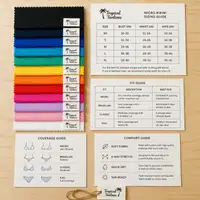
Micro Bikini Buying Guide: Fit, Coverage, and Comfort
A micro bikini can feel like the season’s most effortless statement, yet its smallest details carry the greatest weight. Fit, fabric, movement, and setting shape whether a bold silhouette feels freeing, secure, and entirely your own.

Corporate Lease Used Smartphones: A Practical Buying Guide
A corporate lease phone can look like an ordinary pre-owned device, yet its earlier life may be very different. The details that matter most are not always visible in a product photo: enrollment status, battery condition, data handling, and the protections behind the sale.

Kansas Highway Patrol Surplus Sales: A Practical Buyer Guide
A surplus listing can seem simple until condition notes, sale terms, removal deadlines, and transport enter the picture. The useful question is not only what is offered, but how to judge the full commitment before a bid is placed.

A Practical Guide to Buying a Pre-Owned Smartphone
A lower price can be the beginning of a good purchase or the beginning of an expensive problem. A few calm checks reveal far more than polished photos can, from battery condition and activation status to the small details that decide whether a phone will last.

First-Time Home Buyer Assistance for People With Disabilities
Buying a first home while managing a disability can feel like solving several hard problems at once: income, upfront costs, accessibility, and paperwork. The useful path is rarely one program; it is often a careful combination of support.

Understanding Walmart Buy Now Pay Later Options
A smaller payment can make a household purchase feel manageable, but the schedule behind it deserves equal attention. The useful question is not simply whether a plan is offered, but how its terms fit the next few weeks of real life.